
:: Grants Programs :: GuestBook :: Իրականացվող ծրագրեր :: Հյուրերի գիրք
:: On-going projects :: SEARCH :: Դրամաշնորհային ծրագրեր :: ՈՐՈՆՈւՄ

      Новая страница 2
 
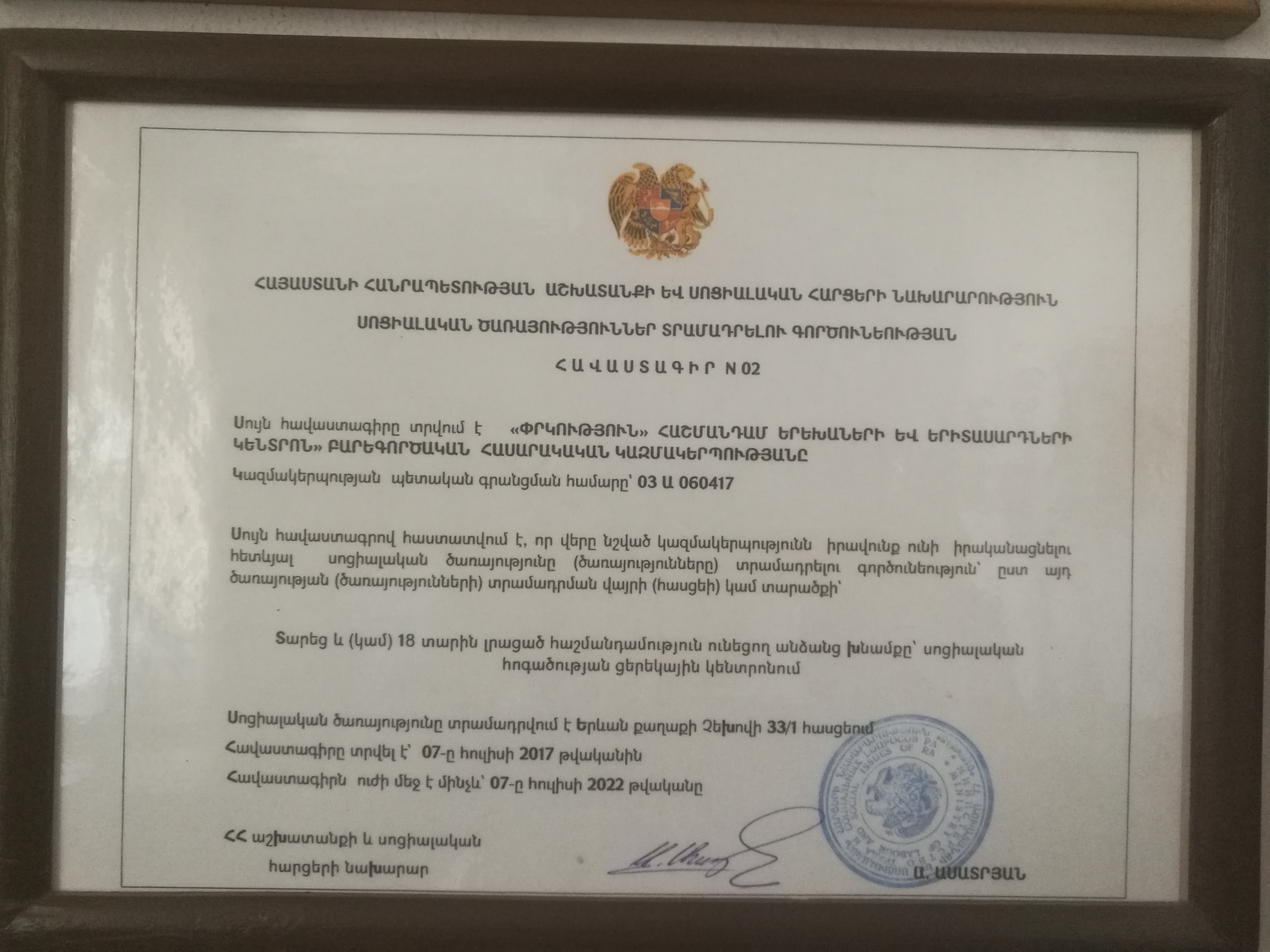
DIURNAL CENTER OF LIFE ORGANIZATION

After finishing auxiliary schools, children or young people with mental disabilities do not have a relevant environment where they could freely communicate with their coevals and even the society. Such children or adults do not have an opportunity of free communication; that is why many of them stay at home. As a result, their psychological complex deepens, and they find themselves in the streets, becoming beggars or tramps. Very often coevals of children or young people with disabilities encourage them to commit different crimes benefiting from their legal irresponsibility.
Because of this very reason "Prkutyun" Center of Disabled Children NGO established the Diurnal Center of Life Organization (DCLO) for mentally retarded children and young people for organization of daylight life. This happened in 1999 thanks to Shengavit municipality which granted a 700 sq. meter territory for it. It is attended annually by 24-26 children and young people who graduated from the auxiliary school and have not found yet their daily occupation. The center’s activities create such conditions where mentally retarded children are not ignored in the educational sphere, where they can learn and put into practice everyday life skills. Besides, the Center makes parents confident that their children are paid attention to, understood, loved and respected, that is, a child is in a friendly environment, and not alienated.
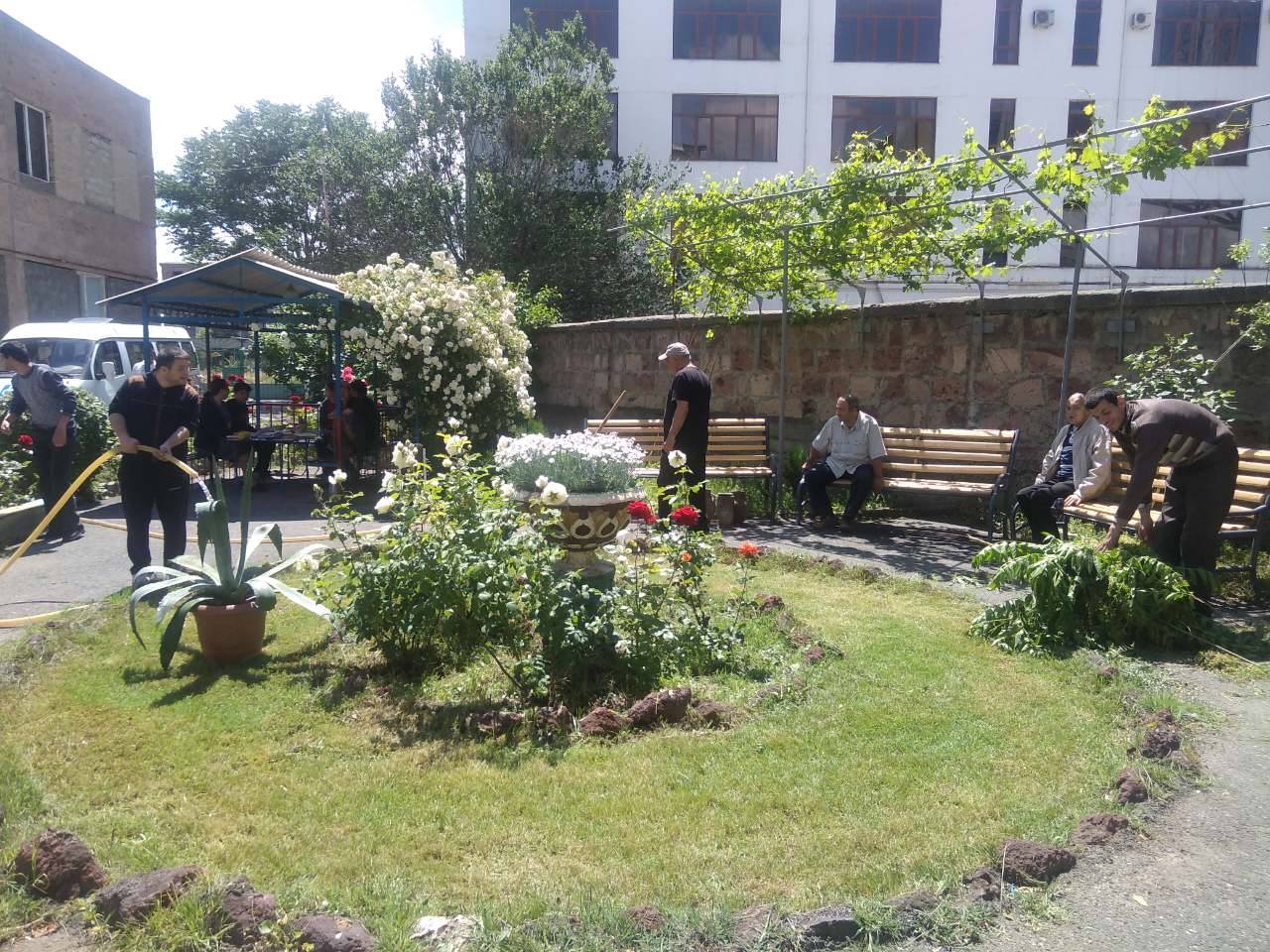
Children stay at the DCLO from 11:00 am to 16:00 pm. During this time they have one substantial meal. They have a class where they can learn elements, because their graduation from auxiliary schools does not necessarily result in their literacy. There are lounges and entertainment rooms where children can play different games, watch videos, cultivate vegetables in the nearby garden that is used while preparing their meals.


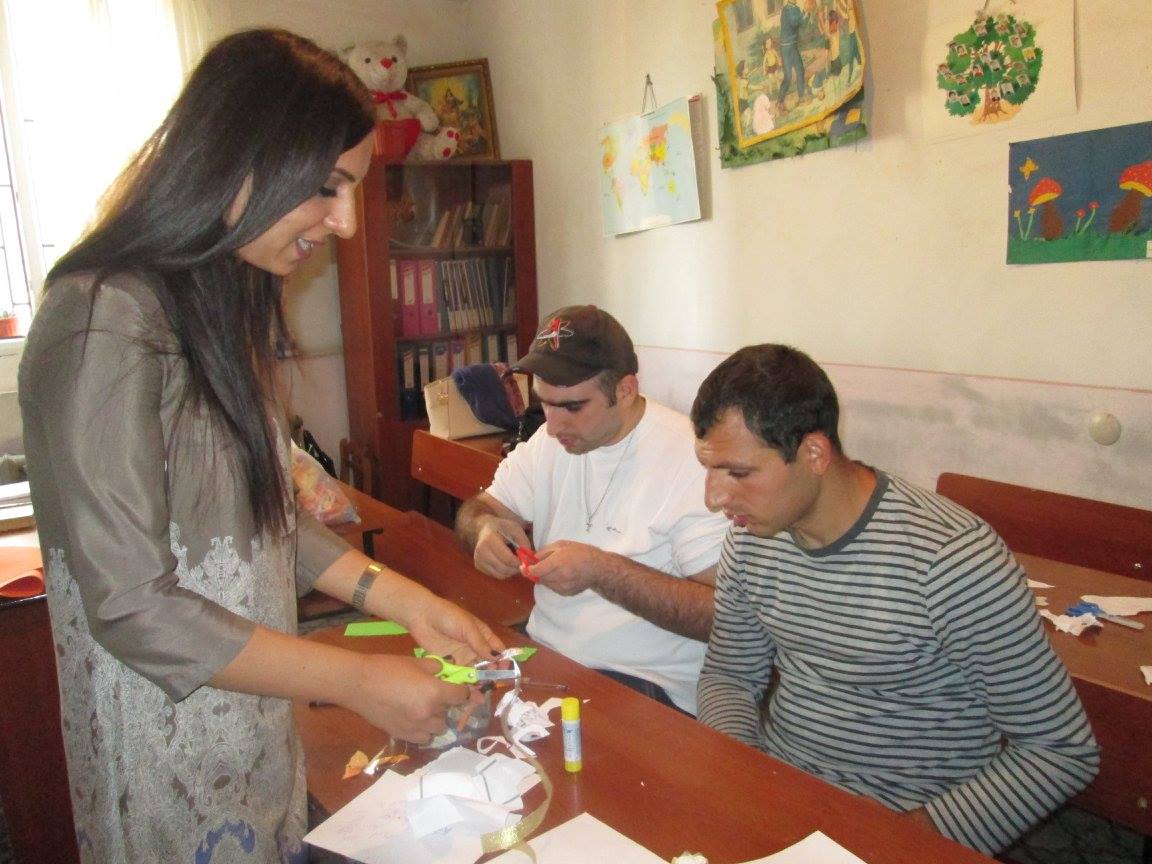
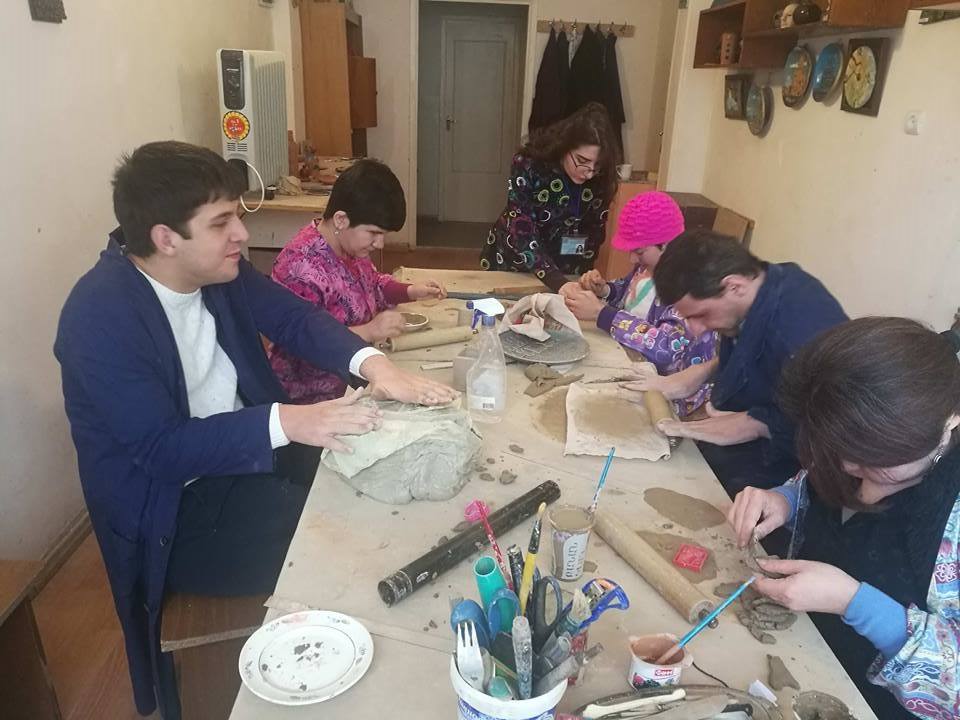
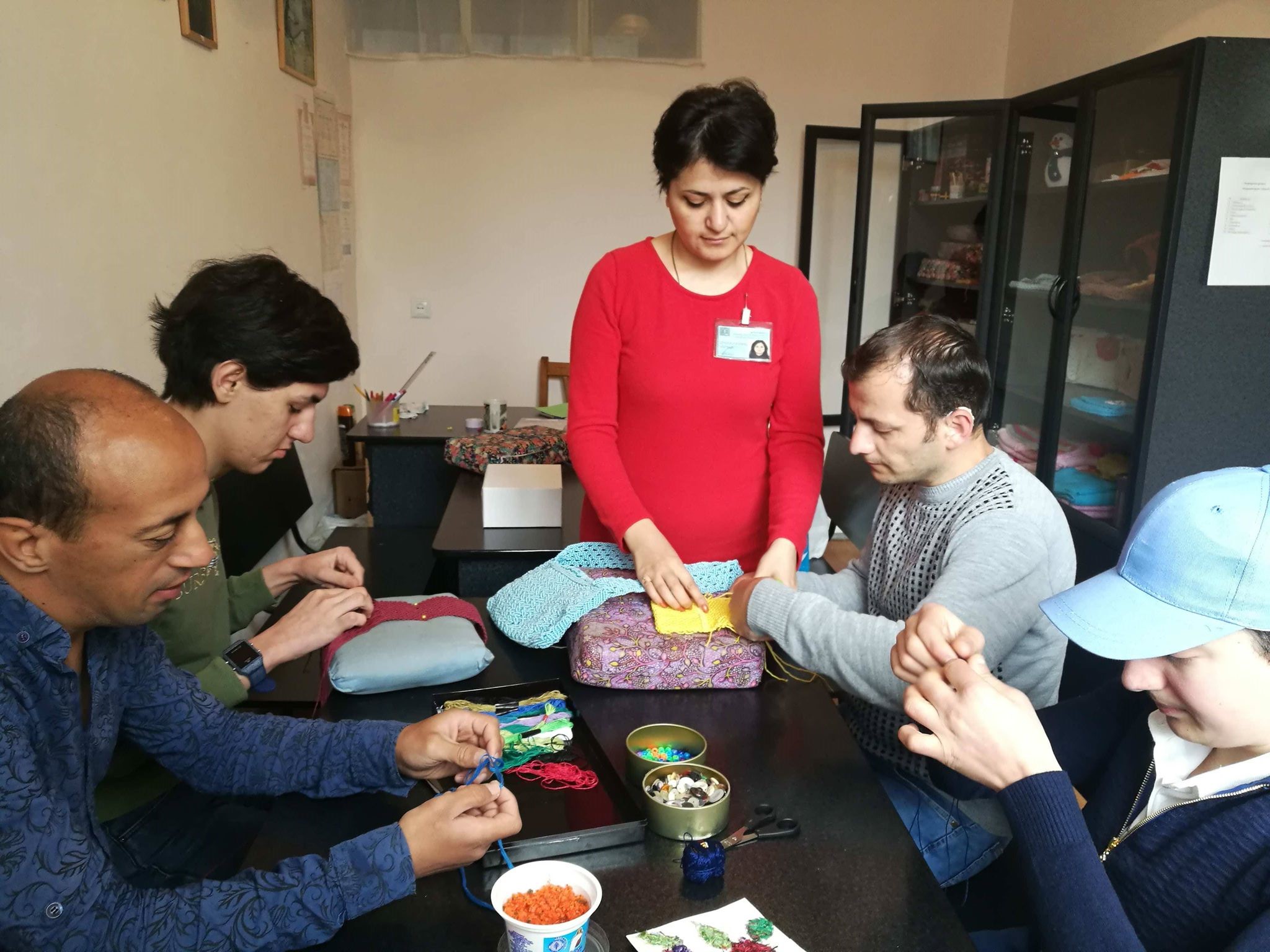
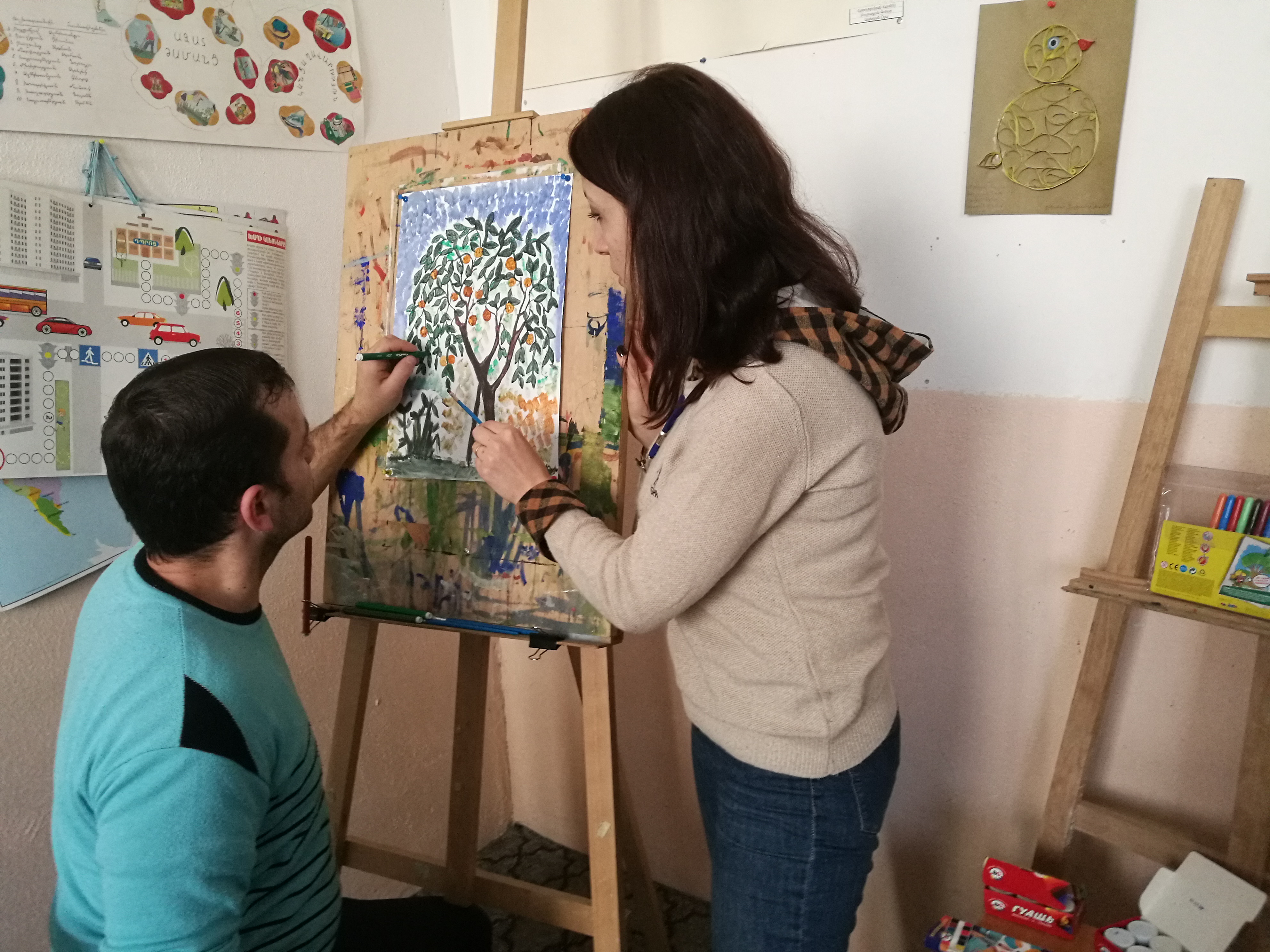
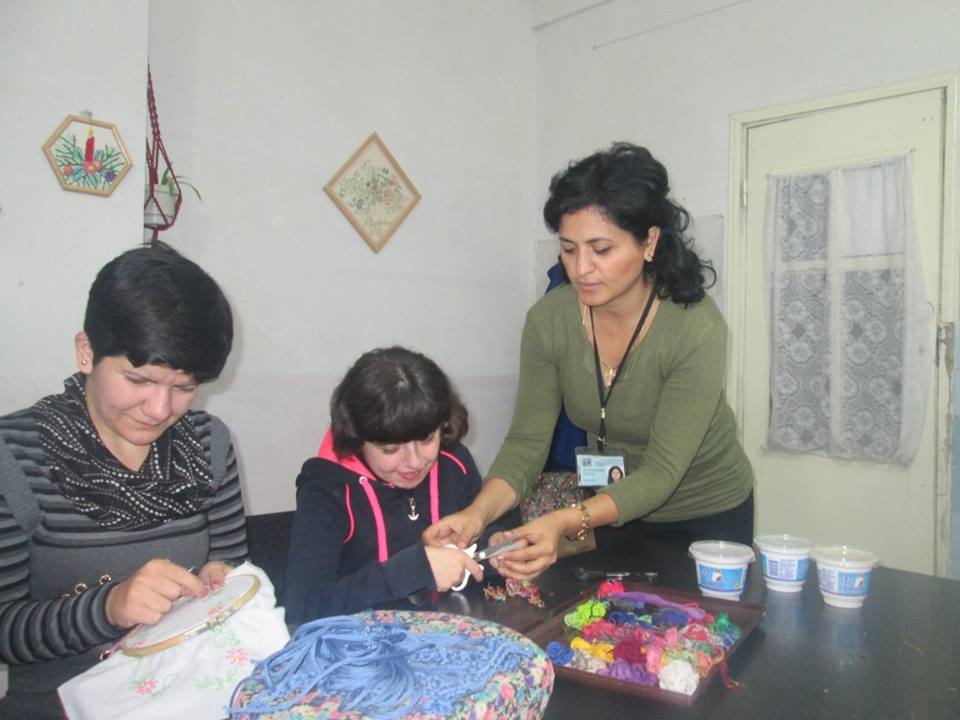
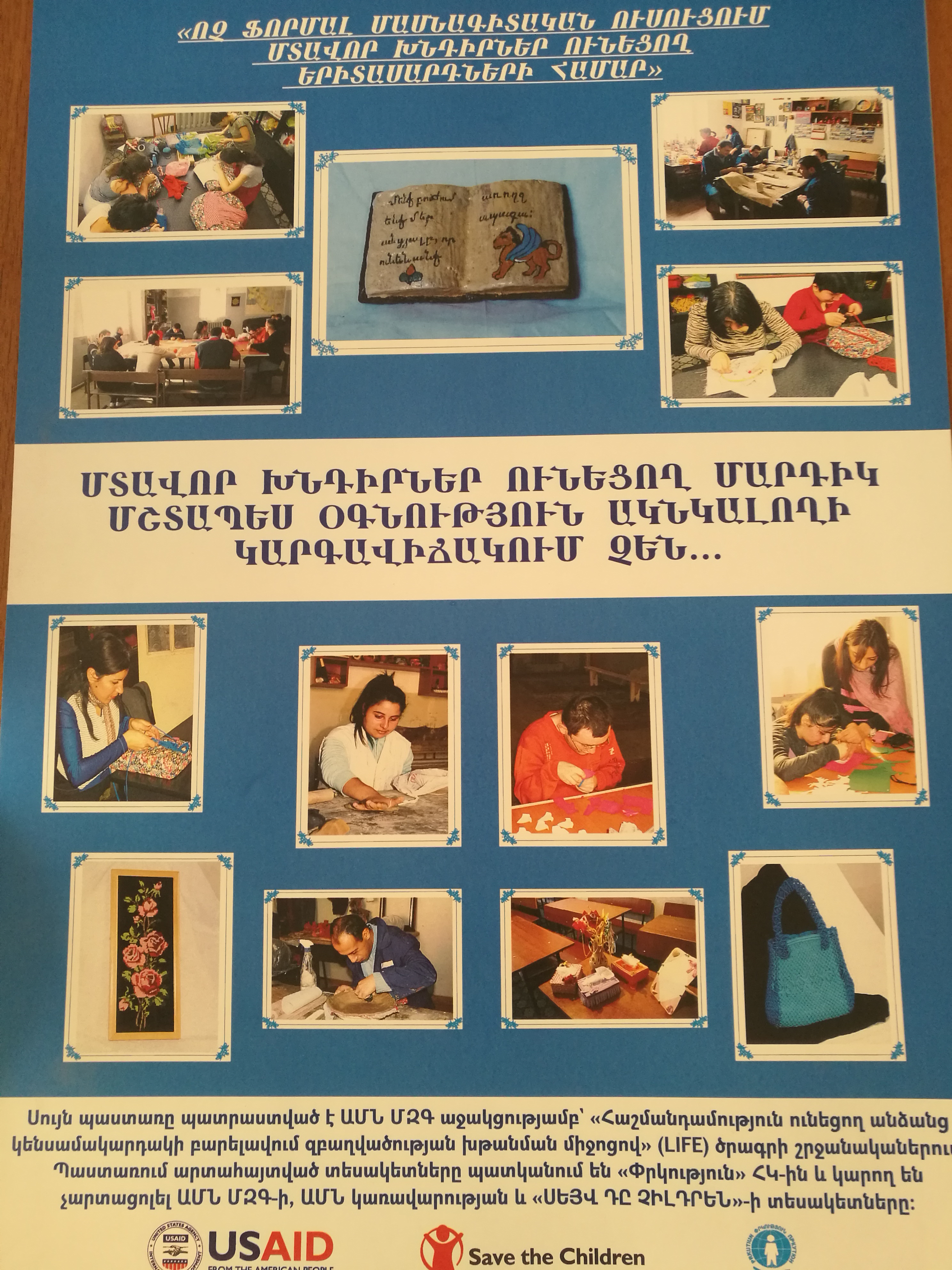
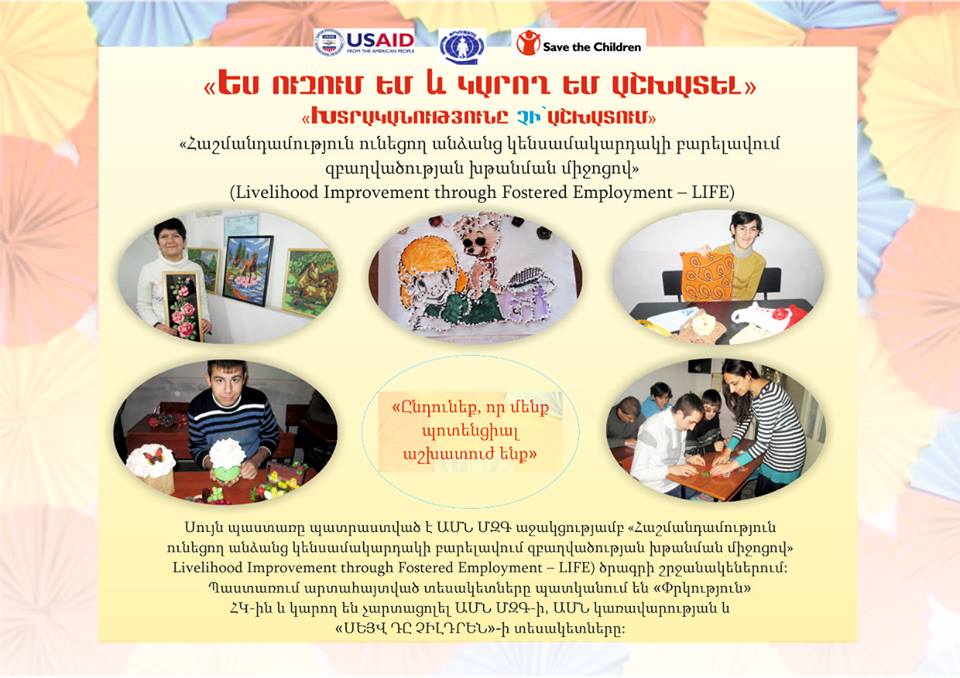
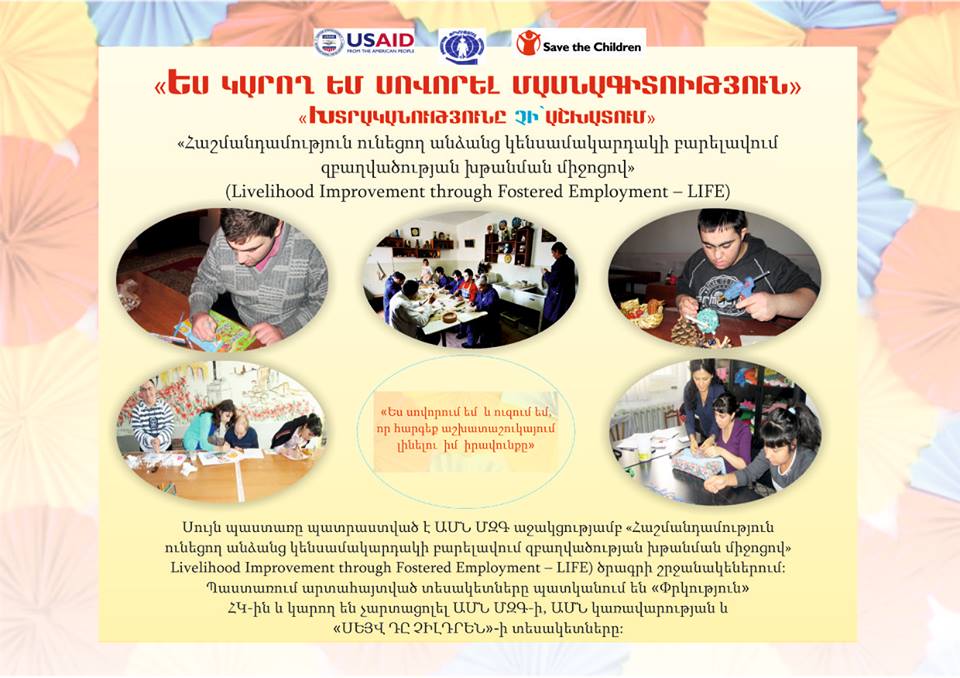
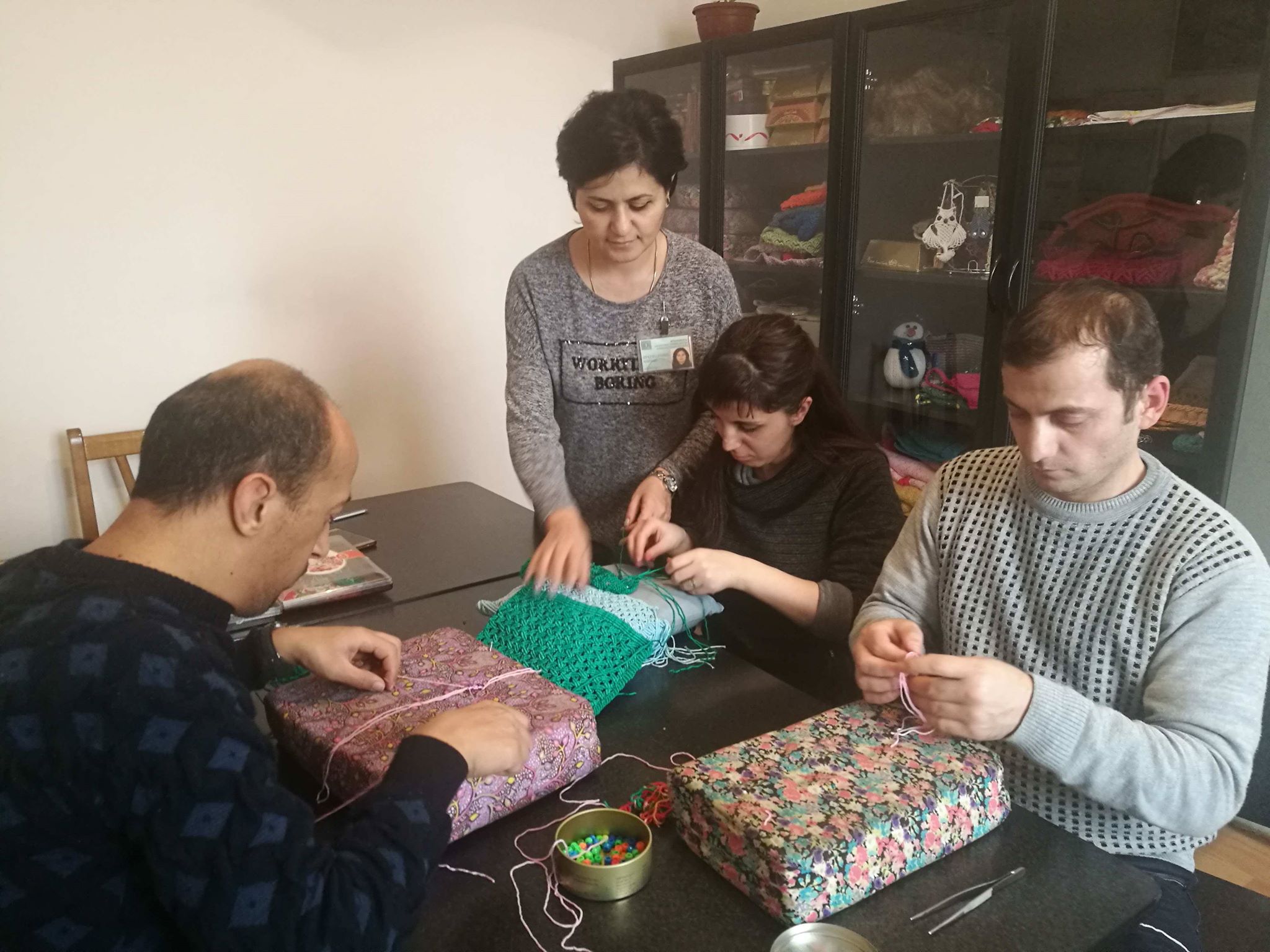
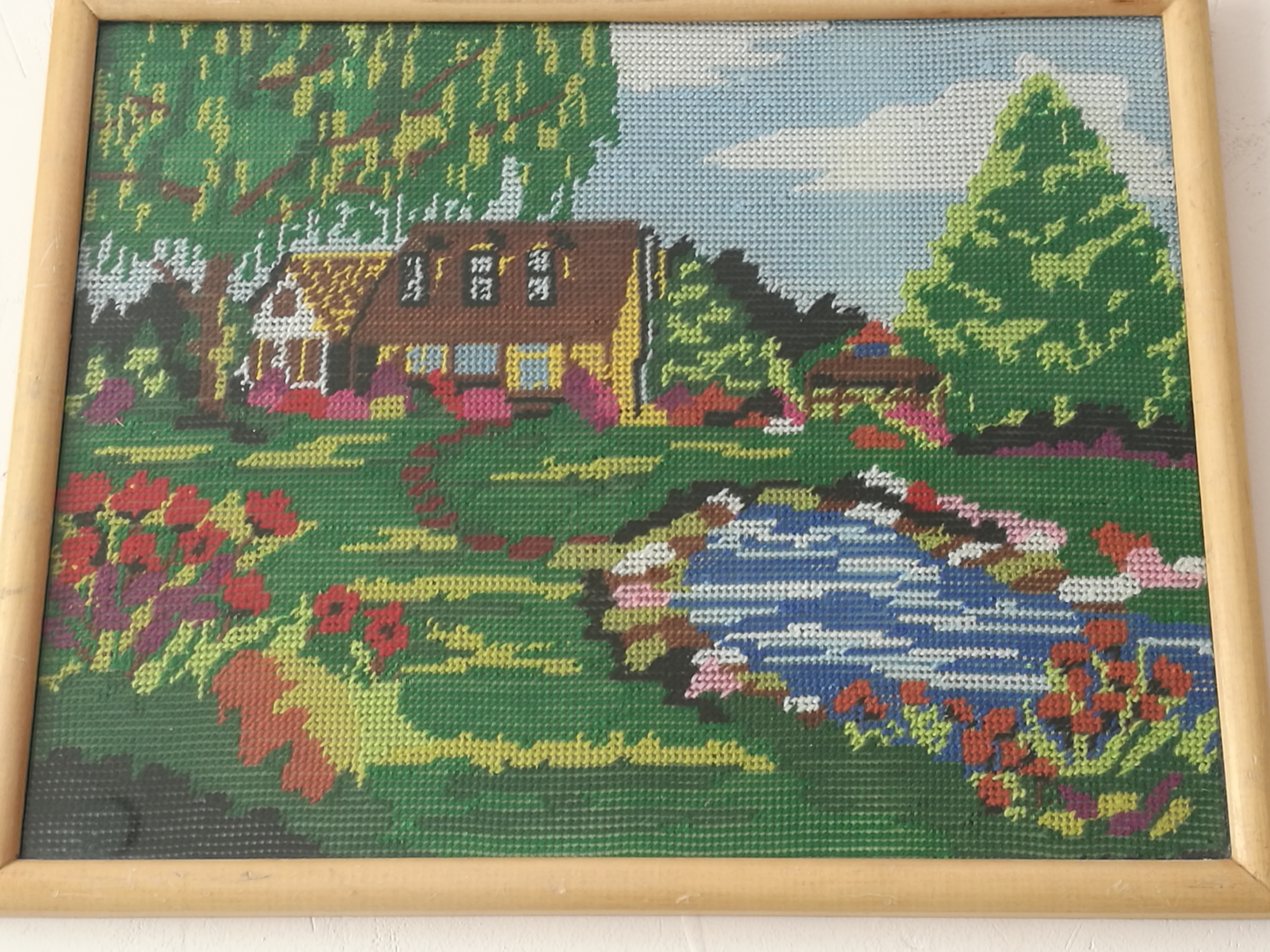
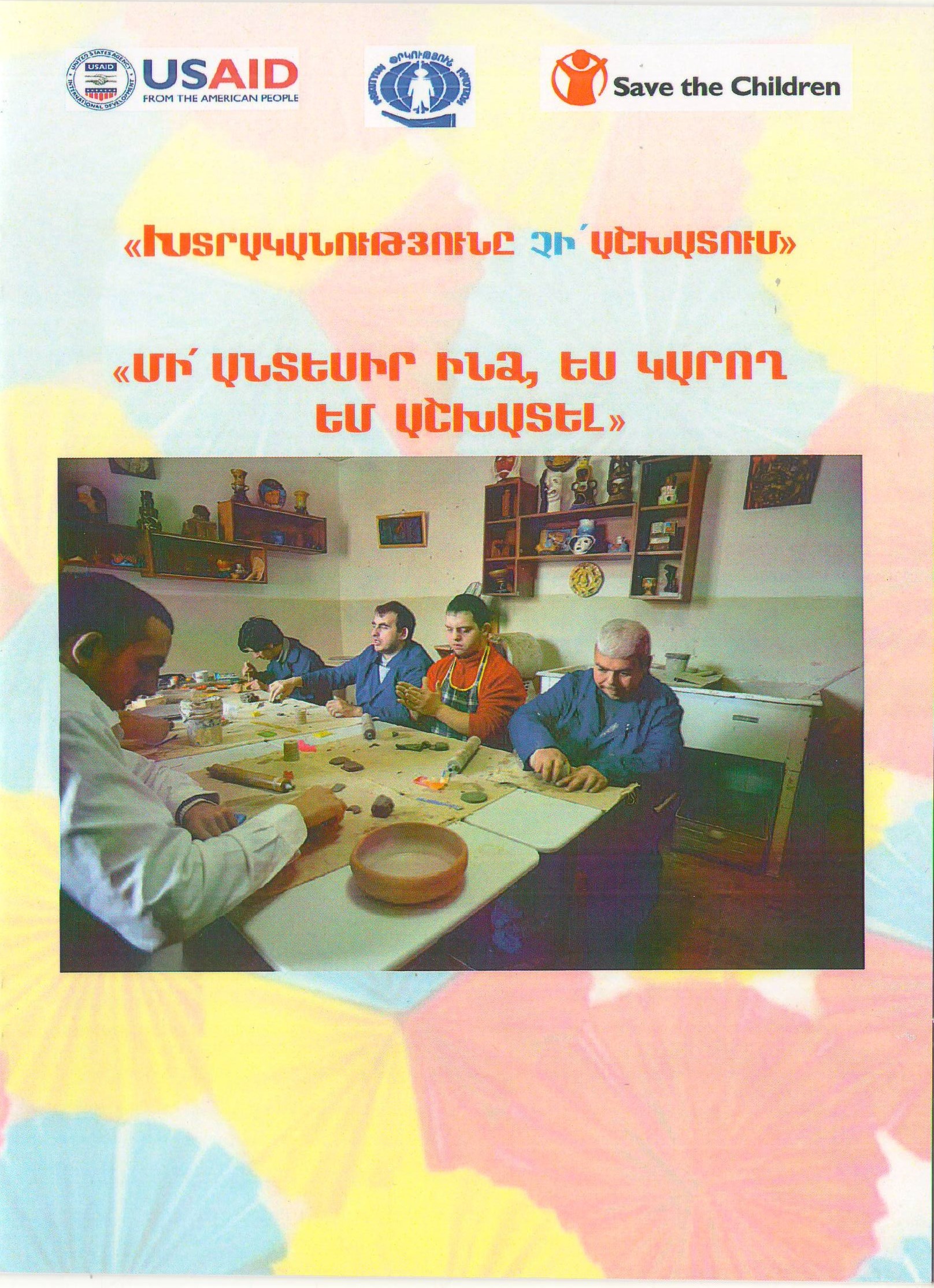
Mentally retarded children are taught drawing, macrame, knitting, embroidery, rice-making, pottery in the Center’s classes of different crafts. Non-disabled children also attend these classes, and this contributes to a harmonic integration of mentally retarded children with their coevals. Children choose their work and its colors on their own: it enables them to develop hand motility, esthetic fineness and imagination that is reflected in their works. Children themselves suggest new sketches for new works.


Children’s works come up for sale at regularly organized exhibitions. Children’s parents receive half of the income, thus, it makes them realize and be sure that a mentally retarded child is not ? burden for his family, but, conversely, he/she can make a small contribution to the welfare of the family. The rest of the earnings is spent on materials, necessary for the further creative activity of the children.

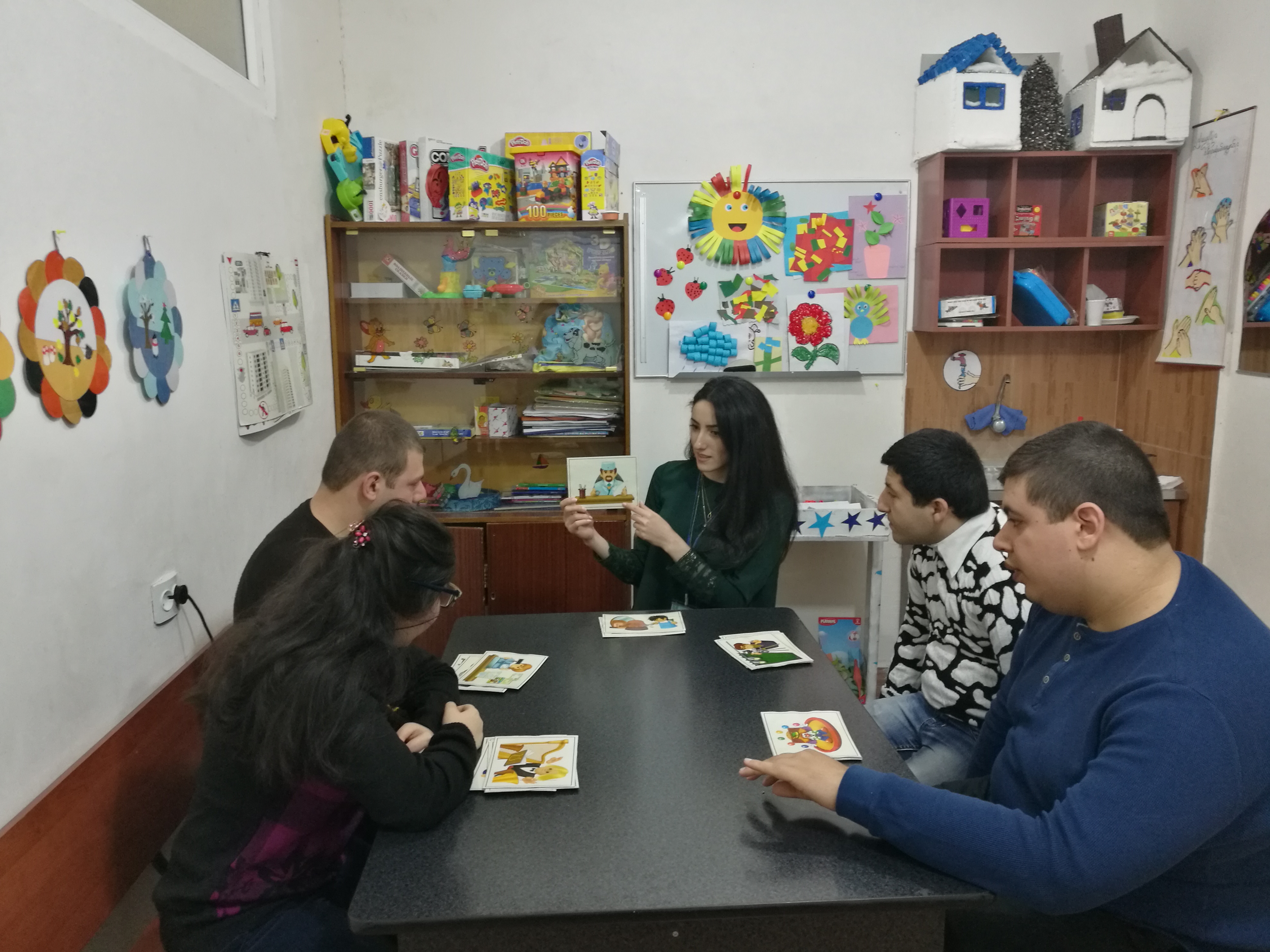
The psychologist and the defectologist hold individual or class training. Their work is also aimed at eliminating existing barriers in the process of communication between non-disabled children with those who have mental disabilities.


The psychologist and the defectologist hold training that is intended for parents of non-disabled children, senior pupils, students from universities and members of disabled children’s families.

How do mentally retarded children benefit from the DCLO?

  • an opportunity to live in a family
  • elimination of the abyss between a sister or a brother toward a mentally retarded child
  • an opportunity of free communication with coevals and other non-disabled people (mainly with the staff)
  • an opportunity to strengthen elementary knowledge and be taught a specific profession
  • an opportunity of daily occupation
  • by getting rid of some of typical complexes, a mentally retarded child’s communication in the environment becomes easier and more natural
  • free communication both with physically disabled and non-disabled children by means of classes (the NGO has this experience)
  • the beneficiaries attending the Center will become comparatively independent, sociable; they will learn ethic and elementary everyday life norms
  • relief of children’s homes, because there are children in children’s homes today who will live in a family as a result of the attendance to daylight centers


    However, the aforementioned center have achieved an evident success in the last two years of its activities. In the course of these two years 27 children began to attend the Center (besides mentally retarded children, children with physical disabilities also attend the DCLO who get to have an opportunity to freely communicate with mentally retarded children and participate in organized daily life).
    Several children from the DCLO attend secondary or auxiliary schools.
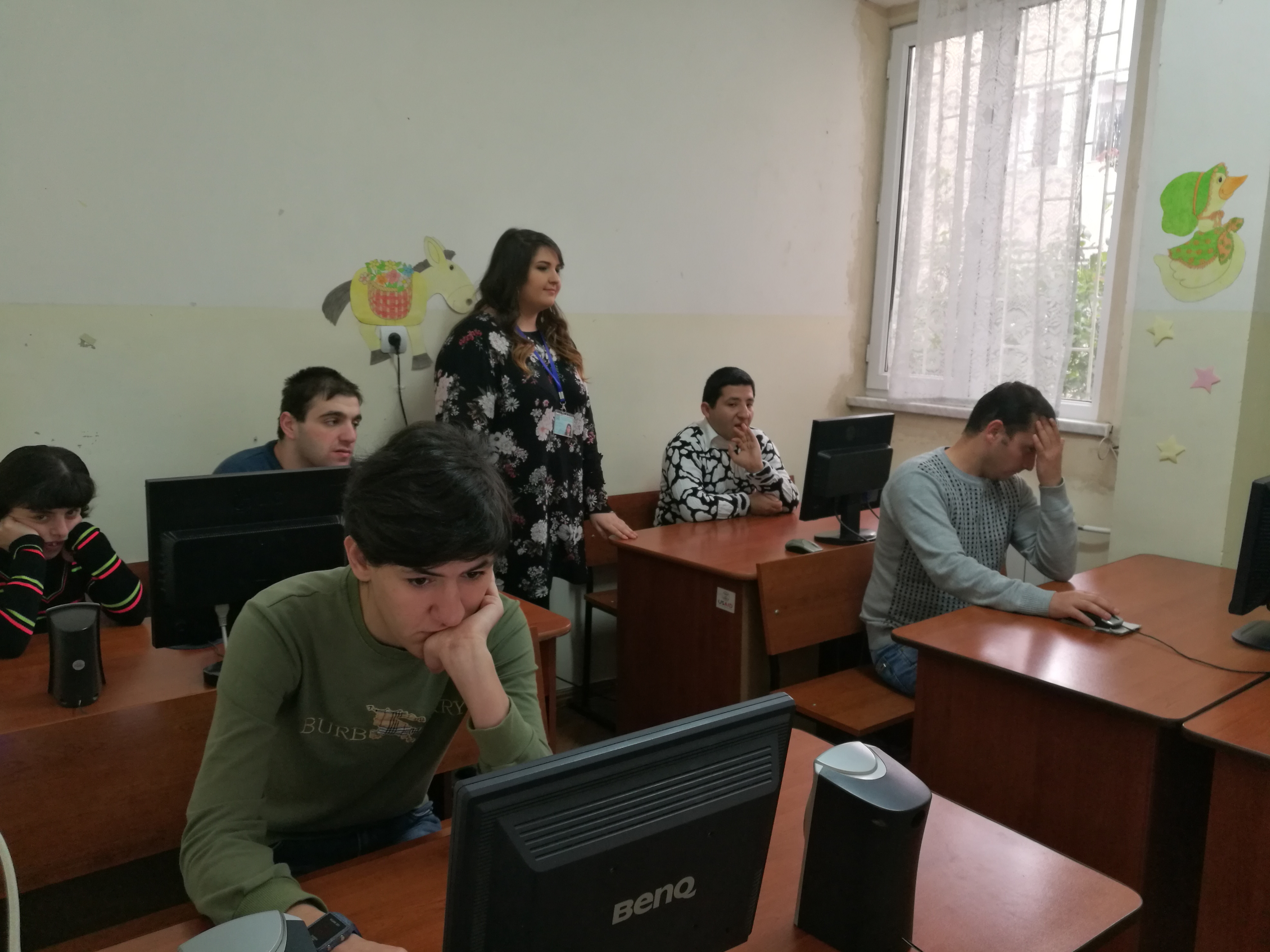
    There is a computer class in the Center where children with physical disabilities and non-disabled children learn basic software including Windows, Word, Internet Explorer, Outlook. The function of this class also contributes to the communication between mentally retarded children and those with physical disabilities.


    The NGO believes that its biggest achievement is that the parents of the 14 mentally retarded children out of the 27 children attending the Center currently have different jobs, because they witness to those conditions that have been created for children with mental disabilities in order for them to live in a friendly environment and not feel alienated.

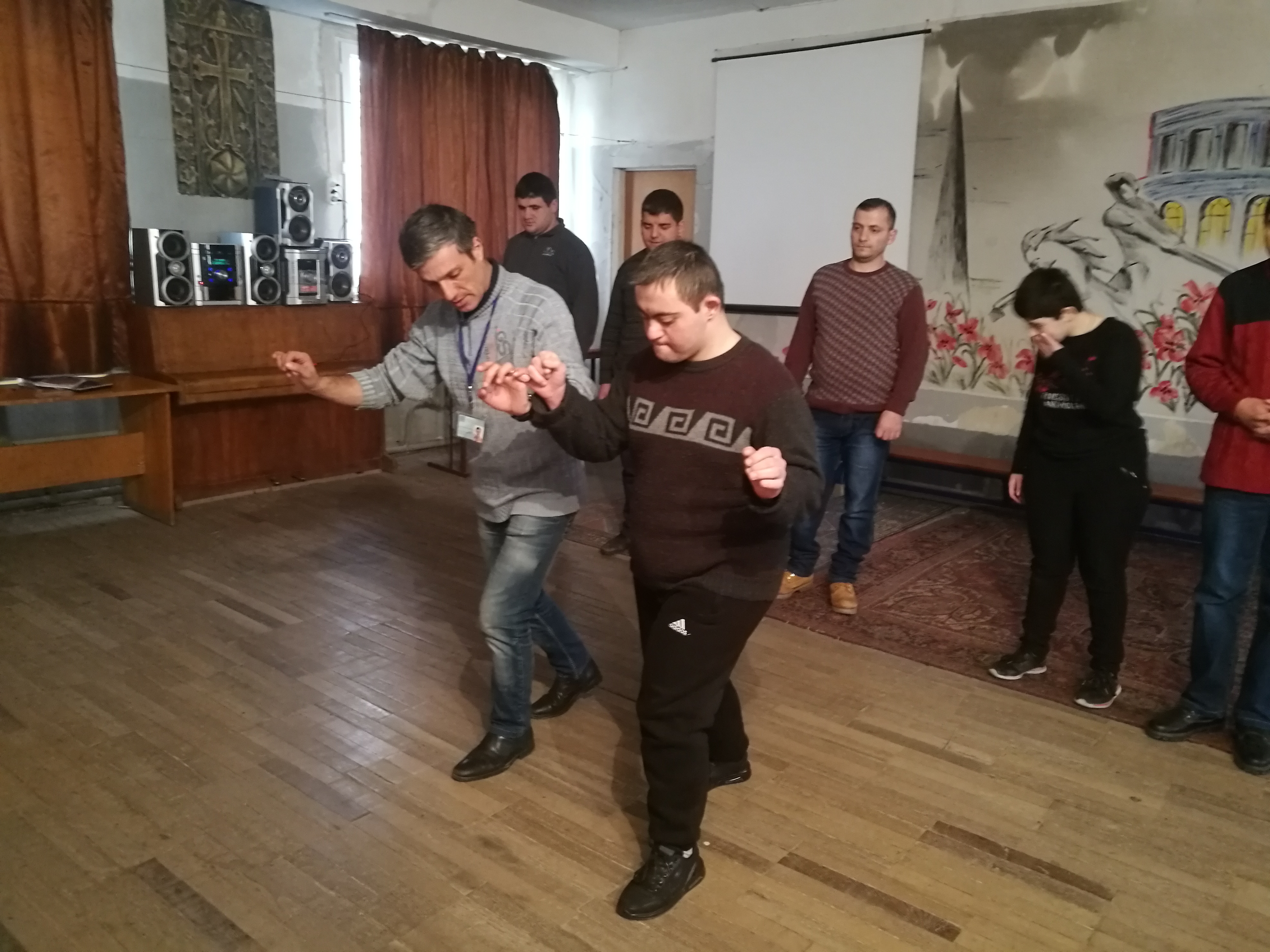
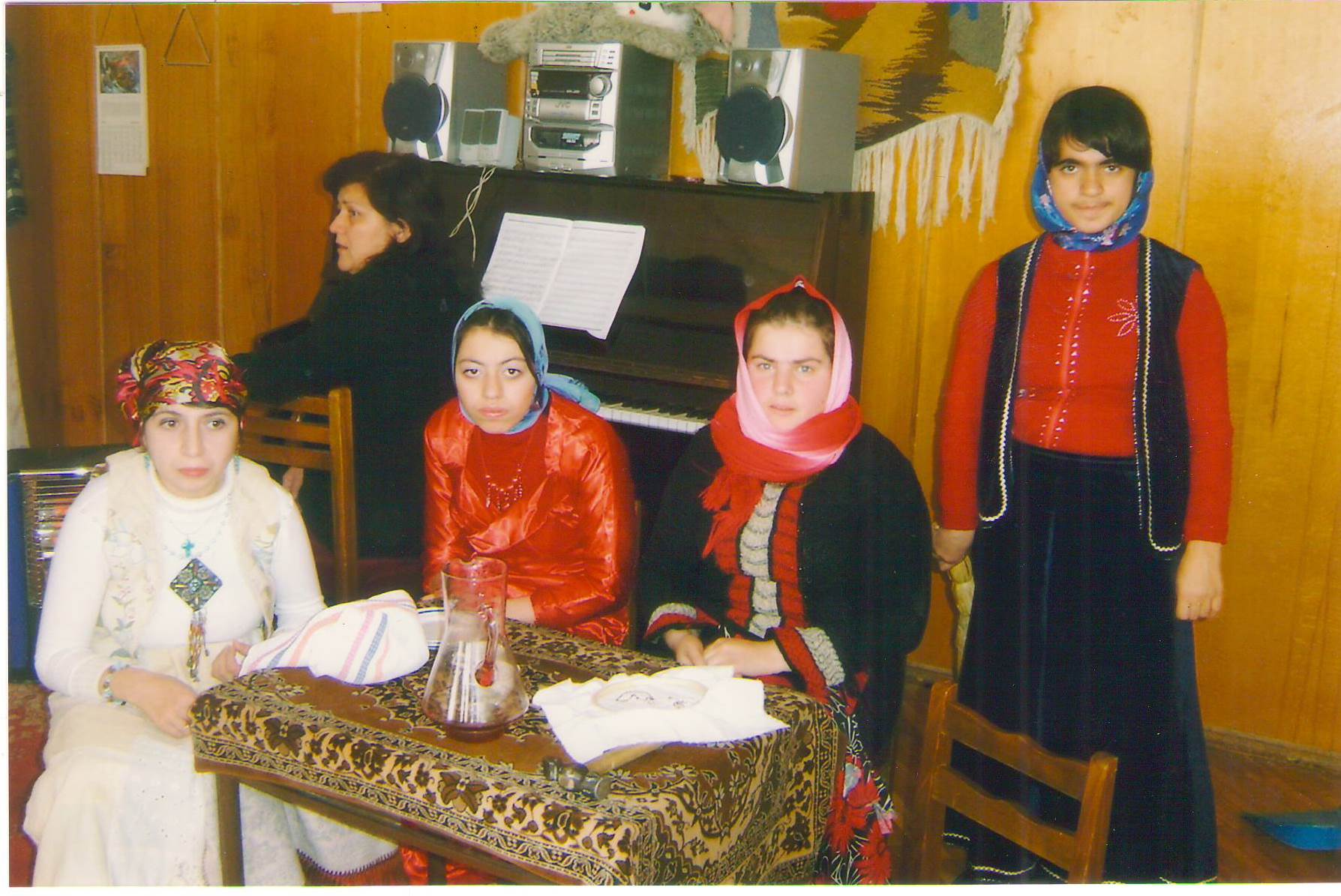
    Birthday parties, holiday activities with performances, excursions are regularly organized for the children. Besides, mentally retarded children participate in contests and exhibitions, where they are awarded different diplomas.

    Our children also know norms of hospitality.


    The DCLO is not funded by the Government and functions only on short-term grants, as well due to the good will of those people who are willing to support people with disabilities, especially children with mental disabilities. However, the primary problem that the DCLO has to face during its activities is the payment for charges for electric heating in November-March.

  •  


    Ադմինիստրատոր Շահեն Թովմասյան
     WEBINFO